
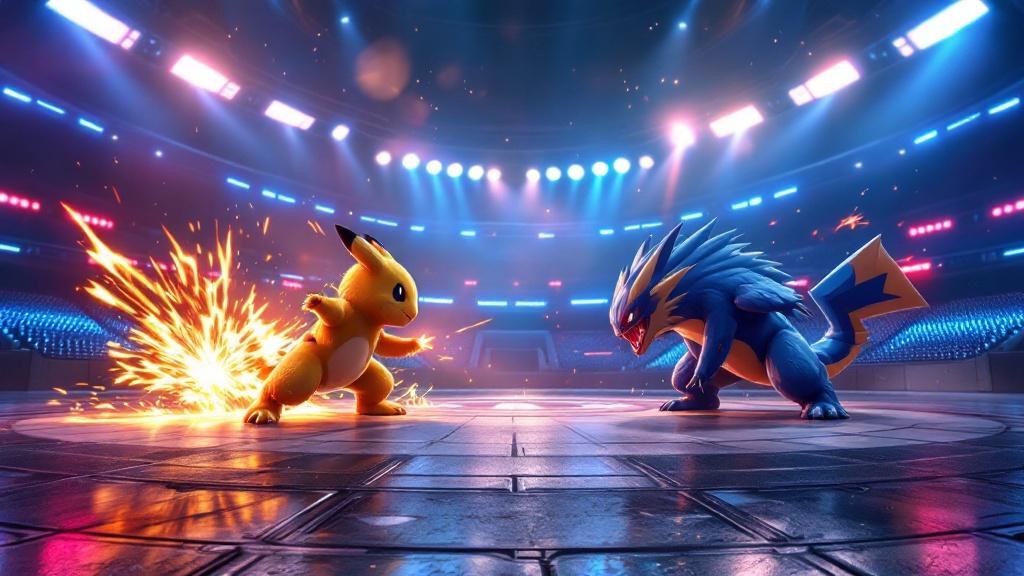
Pokémon Champions is positioned for an open-ended future, with The Pokémon Company pledging to keeping the new battle game alive “basically forever”, according to lead designer Masaaki Hoshino. Launching on 8th April 2026 as a free-to-start title on Nintendo Switch, the title could eventually include thousands of different Pokémon as the roster develops over the years. Hoshino has proposed the game could eventually house anywhere from 2,000 to 10,000 Pokémon, based on the game’s performance and community engagement. The expansive plan echoes the staying power of earlier Pokémon games like Pokémon GO and Pokémon Unite, both of which have maintained thriving player populations for years.
A Title Designed For Longevity
The Pokémon Company’s focus on Pokémon Champions extends far beyond its first launch. By presenting it as a free entry point, the company has removed a significant barrier to access, enabling any Switch user to jump in without financial commitment. This approach to accessibility has proven successful for other long-running Pokémon titles, creating a sustainable model that fosters sustained engagement and investment in the game’s future.
Hoshino’s approach of maintaining ongoing gameplay indefinitely demonstrates the industry’s transition to live-service models. Rather than positioning Pokémon Champions as a standard standalone title with a set expiration point, The Pokémon Company is building infrastructure intended for ongoing development. The forthcoming mobile launch in the coming months broadens the game’s reach, whilst the free Switch 2 update upon release shows commitment to maintaining cross-platform support as platforms advance.
- Free-to-start model removes access obstacles for players
- Mobile release scheduled to expand platform availability
- Switch 2 release patch guarantees next-generation compatibility
- Roster growth could eventually encompass thousands of species
The Vision For Enduring Achievement
Hoshino’s Ambitious Goals
Masaaki Hoshino’s remarks concerning Pokémon Champions’ upcoming direction represents an notably transparent pledge from a major publisher. By announcing the game will continue “for the foreseeable future, as long as the Pokémon series is continuing,” he’s set an standard of remarkable staying power. This is not merely marketing speak—it demonstrates a real operational change within The Pokémon Company toward supporting continuously updated titles throughout multiple decades rather than shorter timeframes. The producer’s confidence suggests the development team is confident they’ve established a structure equipped to sustain the franchise’s progression indefinitely.
The possibility of eventually housing between 2,000 and 10,000 Pokémon species demonstrates precisely how vast Hoshino’s vision truly is. Currently, the official Pokédex includes approximately 1,000 species, meaning the game might well double or decuple its roster throughout its lifespan. This massive expansion wouldn’t occur immediately; rather, it would develop via methodically sequenced updates and expansions. Such gradual roster expansion keeps the game remaining engaging for veteran players while preserving accessibility for newcomers, creating a sustainable cycle of participation that could genuinely support the game for many years ahead.
The accomplishment of this ambitious vision will eventually rest on user adoption and continued financial support from the community. The Pokémon Company’s track record with live games like Pokémon GO and Pokémon Unite offers solid assurance in their capacity to sustain engagement. However, maintaining community involvement across decades necessitates beyond technical infrastructure—it demands compelling content updates, substantial feature enhancements, and a authentic grasp of what sustains player motivation. If executed properly, Pokémon Champions might establish itself as the premier battling destination for a whole generation of competitors.
Release Strategy And Access Options
| Platform | Details |
|---|---|
| Nintendo Switch | Launches 8th April 2026 as a free-start-experience via the eShop |
| Nintendo Switch 2 | Free game update available at launch |
| Mobile Devices | Release planned for later in 2026 |
| Monetisation Model | Free-to-play with paid elements; specific details to be revealed |
The Pokémon Company’s choice to release Pokémon Champions as a no-cost entry point represents a calculated approach to broaden access and player acquisition. By eliminating upfront costs on Nintendo Switch, the developer guarantees anyone with access to the console can get started without financial commitment. This strategy has proven remarkably effective for ongoing games, as evidenced by Pokémon GO’s rapid expansion and continued success. The simultaneous launch on Switch 2 and planned mobile release expands even more the potential audience, establishing it as a authentic platform-spanning title built to support trainers across all gaming platforms.
Understanding Earlier Wins
The Pokémon Company’s confidence in Pokémon Champions’ long-term viability stems largely from demonstrated expertise managing successful live-service titles. Pokémon GO reshaped gaming on mobile devices when it launched in 2016, and nearly a decade later, it continues to engage millions of players globally through frequent events, seasonal content, and meaningful gameplay updates. Similarly, Pokémon Unite has preserved an thriving player community since its 2021 release by consistently introducing new Pokémon, gameplay balancing, and competitive features. These successes illustrate that the franchise has both the infrastructure and expertise needed to keep players engaged across extended periods, providing a compelling blueprint for Pokémon Champions’ development strategy.
The longevity of these titles reveals crucial insights into what keeps trainers invested long-term: meaningful progression systems, community-driven events, and a consistent flow of new material that respects player time investment. The Pokémon Company has learned that merely launching a title is inadequate; long-term viability requires continuous dialogue with players, responsive balance changes, and time-limited story content that encourage regular engagement. By applying these hard-won lessons to Pokémon Champions, the developer can leverage accumulated expertise accumulated across years of ongoing game support, significantly increasing the likelihood that this latest competitive game will achieve the longevity its creators envision.
- Pokémon GO continues to be profitable and active nearly a decade after launch
- Pokémon Unite shows sustained player engagement via frequent content additions
- Live-service expertise provides a proven framework for sustained player retention
What Participants Should Anticipate
Pokémon Champions will release as a complimentary entry point on 8th April 2026, making it instantly available to anyone with a Nintendo Switch and an eShop account. This approach removes barriers to accessing the game, reducing financial hurdles that might otherwise discourage potential players from experiencing the innovative gameplay mechanics. The free-to-play model has demonstrated considerable success for The Pokémon Company’s previous releases, allowing the developer to build a substantial player base whilst monetising through optional cosmetics and convenience features rather than mandatory purchases. Players can expect a comprehensive competitive gaming experience from day one, with the central gameplay structure designed to engage both casual enthusiasts and serious competitive players alike.
Beyond the Switch launch, the game will extend to mobile devices later in 2026, further broadening its reach and allowing trainers can engage with Pokémon Champions across their preferred platforms. A complimentary update will simultaneously arrive for Nintendo Switch 2 owners at launch, showcasing the developer’s dedication to supporting next-gen hardware from the outset. Whilst precise information regarding paid cosmetics and battle pass structures haven’t been revealed, the company’s history suggests these monetisation elements will enhance rather than obstruct the core experience. This multi-platform, live-service approach positions Pokémon Champions as an ambitious project intended to capture and retain players across diverse gaming ecosystems.
